
What is an Ultrasonic Tinning Machine?
What is an Ultrasonic Tinning Machine? Sonic4Lab
In the wiring connection of electronic devices, assembly of automotive parts, or production of components for new energy products, metal welding and surface tinning are critical processes – in simple terms, it is to evenly adhere tin to the metal surface, making the connection of parts more stable. But you know what? In the past, “tinning” metals often faced problems such as oxide layer interference and flux contamination, but now there is a technology that can easily solve these problems, which is ultrasonic tinning.
Ultrasonic tinning: relying on “high-frequency vibration” to make tin “stick” more firmly
Do you want to know how ultrasonic tinning works? The core secret is hidden in the combination of “ultrasound” and “tin solution”.
When the device transfers ultrasonic energy into the melted tin liquid, the tin liquid produces high-frequency vibrations of over 20000 times per second, and also triggers a phenomenon called “cavitation effect” – in simple terms, tiny bubbles are rapidly generated in the tin liquid, which release energy when they burst instantly.
At this point, as long as the metal parts that need to be tinned or welded (such as copper wire, aluminum sheet, electrode ears, etc.) are put into the tin solution, a magical thing happens: the energy generated by high-frequency vibration and cavitation effect will peel off the oxide layer on the surface of the parts like a “small brush”, and can also “squeeze” the air in the gaps of the parts. Without the obstruction of oxide layer and air, the tin solution can be uniformly “wrapped” on the metal surface, forming a strong adhesion layer.
Even more worry free is that this process does not require the use of soldering flux (a commonly used auxiliary material for soldering in the past), and the parts can be soldered quickly and simply by soaking them in the tin bath for 3-10 seconds.
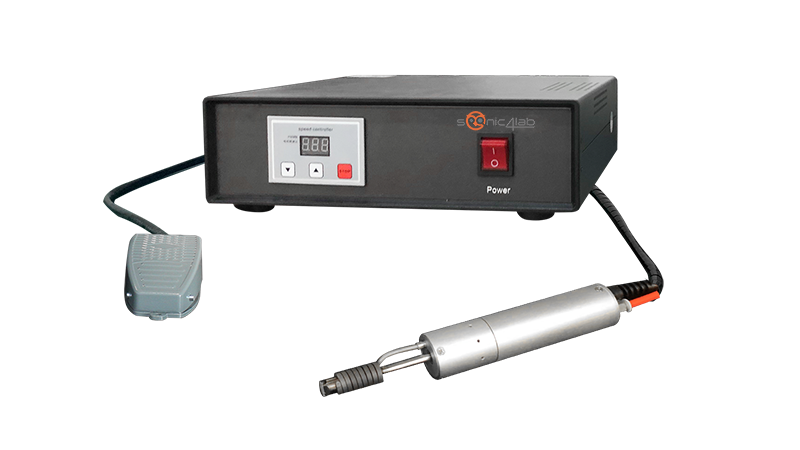
Ultrasonic tinning machine: these “core components” are indispensable
The ultrasonic tinning machine that can achieve the above effects actually has a simple structure and is mainly composed of several parts, each with its own “responsibilities”:
Firstly, there is the device host, which is like the “heart” of the machine, containing three key components: the ultrasonic vibration system (responsible for generating high-frequency vibrations), the tin bath (containing molten tin), and the electric temperature control device (maintaining stable tin temperature and ensuring that the tin is always in a suitable welding state).
Next is the ultrasonic generator, which is equivalent to an “energy converter” that can convert electrical energy into ultrasonic energy and transmit it to the vibration system of the host.
There is also a practical foot switch, which allows workers to start the equipment without pressing the button with their hands, freeing up both hands to fix the parts and making the operation more convenient.
Moreover, this type of equipment does not require a special power supply and can be driven by the commonly used 220V, 50Hz civilian AC power at home, making its usage scenarios very flexible.
Addressing the long-standing challenge of traditional welding: the problem of oxide film and flux
Why can ultrasonic tin coating gradually replace traditional processes? Let’s first talk about the pain points of tin plating on metals in the past.
Many metal materials, especially aluminum, naturally form an oxide film on their surface during storage – this film may seem thin, but it can seriously affect the adhesion of tin and lead to weak welding. To solve this problem, traditional techniques first require “pretreatment” of the metal: manual polishing or removal of the oxide layer with chemical reagents, followed by the use of soldering flux to assist in tin adhesion.
But in this way, there are more troubles: the pre-treatment steps increase the processing cost, the flux produces harmful gases during welding, and the wastewater and waste liquid after use still need to be treated, which is neither environmentally friendly nor easy to ensure quality – for example, residual flux may corrode the metal, causing cracks, virtual soldering, and even damage to the parts after prolonged use.
And ultrasonic tinning can precisely avoid these problems, which is why it has become a “new choice” in many industries.
Four core advantages: making ultrasonic tin coating the “new favorite of the industry”
Compared to traditional processes, the advantages of ultrasonic tinning are very prominent, summarized into four major highlights:
1. Green and environmentally friendly: Welding does not require “toxic materials”
Without soldering flux, harmful gases will not be produced, and workers no longer need to worry about inhaling pollutants during operation; At the same time, it eliminates the steps of metal surface pretreatment and flux waste liquid treatment, reducing both sewage discharge and environmental treatment costs, fully meeting the requirements of green production.
2. More perfect welding: no hidden dangers
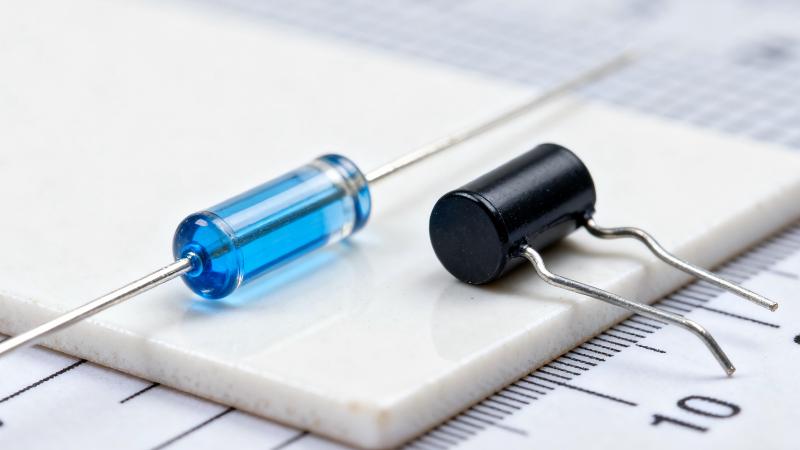
The biggest problem with soldering flux is that it is easy to leave tiny pores in the solder joints, which are usually invisible but can make the solder joints brittle – over time, peeling, virtual soldering, and even equipment failure may occur. Ultrasonic tinning relies on vibration to allow the tin liquid to “penetrate” into the gaps of the parts, without producing pores. Tin and metal can be tightly adhered, greatly extending the service life.
3. Cost saving and efficient: reducing costs and improving speed
In the past, aluminum materials were difficult to weld due to oxide film issues, so more expensive copper materials could only be used. However, ultrasonic tinning can easily process aluminum materials – using aluminum instead of copper can save a lot of material costs. In addition, there is no need for pre-treatment or soldering flux, the process is simplified, the production speed is faster, and the labor cost is also reduced, which is very cost-effective for enterprises.
4. Unlock “new possibilities”: support for new materials and products
In addition to common copper, aluminum, silver, and nickel, ultrasonic tinning can also weld materials that were previously difficult to weld, such as glass substrates for solar cells, semiconductor components, ceramic heaters, and even achieve “cross-border welding” such as “aluminum copper”, “copper glass”, and “aluminum ceramic”. This not only provides more opportunities for new materials to be used, but also offers technical support for enterprises to develop new products.
Conclusion
From electronic components to automotive parts, from new energy equipment to semiconductor products, ultrasonic tinning is changing the way metal processing is done with its advantages of environmental friendliness, efficiency, and high quality. It not only solves the old problems of traditional craftsmanship, but also opens the door for the research and development of new materials and products – in the future, this “vibration soldering” black technology will play a role in more industries, making metal connections simpler and more reliable.
If you want to purchase equipment, please click here

