Ultrasonic Dispersion Adhesive for Lithium-ion Batteries
In the multi-component system of lithium-ion batteries, the binder is the core link that maintains the integrity of the electrode structure. It can tightly bond active substances, conductive agents, and current collectors to construct a stable electrode framework – the foundation of this process cannot be separated from the uniformity control of the slurry preparation process. Ultrasonic dispersion lithium-ion battery slurry technology can break material agglomeration through high-frequency vibration, optimize the mixing and dispersion effect of binders and other components, and lay the foundation for the structural stability of subsequent electrode formation.
The core value of adhesives lies in “buffering electrode volume fluctuations during charging and discharging processes”. Taking graphite negative electrode as an example, the interlayer spacing of graphite will expand when lithium ions are embedded, and shrink when they are removed. If the bonding strength is insufficient, the active material is easily peeled off from the current collector, directly leading to a sudden drop in battery capacity. SBR (styrene butadiene rubber), with its linear conjugated molecular structure, can form a dual effect of physical entanglement and chemical adsorption with the surface of graphite particles, and can also form a tight bond with the current collector. This stable connection is like a “molecular anchor chain”, which ensures that the active material remains attached throughout complex electrochemical cycles.
In terms of usage, the adhesive only accounts for 1% -2% of the total battery material, but it is a key factor determining the “cycle life and safety boundary” of the battery. Experimental data shows that electrodes prepared using high-quality binders and ultrasonic dispersion technology have a more than 30% reduction in active material detachment rate compared to traditional process products after 1000 charge and discharge cycles. This is precisely the performance gain brought by ultrasonic dispersion by improving the dispersion uniformity of binders in the slurry and reducing local bonding weak points.
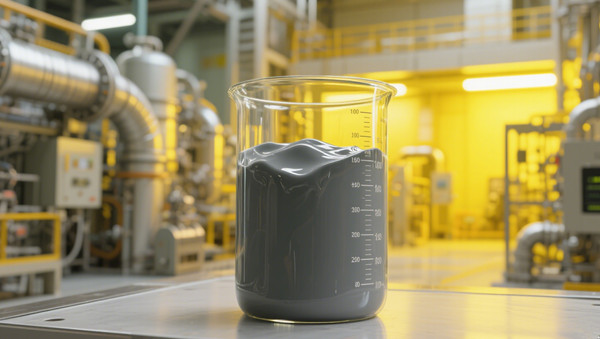
The technological evolution of lithium-ion battery binders is essentially a history of transition from “high pollution” to “green environmental protection”. The current mainstream adhesives in the market can be clearly divided into two camps: “oil-based adhesive PVDF (polyvinylidene fluoride)” and “water-based adhesive SBR/CMC (sodium carboxymethyl cellulose)”.
As the most commonly used oil-based binder for positive electrode materials, PVDF has excellent oxidation resistance and thermal stability, but there are significant shortcomings: its preparation process relies on toxic N-methylpyrrolidone (NMP) as a dispersion medium. This solvent not only has a high procurement cost, but also generates volatile organic pollutants, and has strict requirements for humidity control in the production environment. PVDF absorbs water, causing a decrease in molecular weight and viscosity, and is prone to swelling in the electrolyte. At high temperatures, it may also undergo exothermic reactions with metallic lithium, posing a safety hazard to the battery.
Compared with it, the combination of water-based binder SBR and CMC is more in line with environmental and safety requirements. SBR is copolymerized by styrene and butadiene monomer in aqueous medium, and usually exists in the form of water lotion with a solid content of about 50%. In its unique core shell structure, the core provides cohesion and system stability, and the hydrophilic polar groups distributed on the shell ensure its good compatibility with aqueous slurry. It is worth noting that in the preparation of the composite size of SBR and CMC, ultrasonic dispersion technology can effectively break the micro agglomerated particles of SBR lotion, promote CMC (as dispersant and thickener) to evenly wrap active substances and conductive agents, further improve the stability and dispersion uniformity of the size, and avoid “caking” or “layering” problems in the subsequent coating process.
In the negative electrode of lithium-ion batteries, the synergistic effect of SBR and CMC is indispensable:
- CMC ensures the uniform dispersion of active substances and conductive agents by adjusting the viscosity of the slurry, providing structural support for the electrode;
SBR, on the other hand, relies on its flexible bonding properties to counteract the stress during the electrode compaction process, avoiding the occurrence of powder shedding and cracking on the electrode. - More importantly, this water-based slurry system emits almost no volatile organic compounds (VOCs), fully complying with the increasingly stringent environmental regulations.
With the upgrading of performance requirements for lithium-ion batteries, the new generation of binder technology is driving industry breakthroughs in three key directions:
1. Breakthrough in low-temperature performance
The low-temperature flexibility advantage of SBR binder is particularly prominent in low-temperature scenarios. At -20 ℃, the capacity retention rate of lithium-ion batteries using SBR binder is increased by 10% -20 percentage points compared to traditional binder products. The core reason is that SBR molecular chains can still maintain a certain degree of activity at low temperatures, which can maintain the integrity of the conductive network inside the electrode. The slurry prepared by ultrasonic dispersion can further reduce the contact resistance inside the electrode at low temperatures, ensuring the stable operation of electric vehicles and outdoor energy storage equipment in cold regions.
2. High energy density adaptation
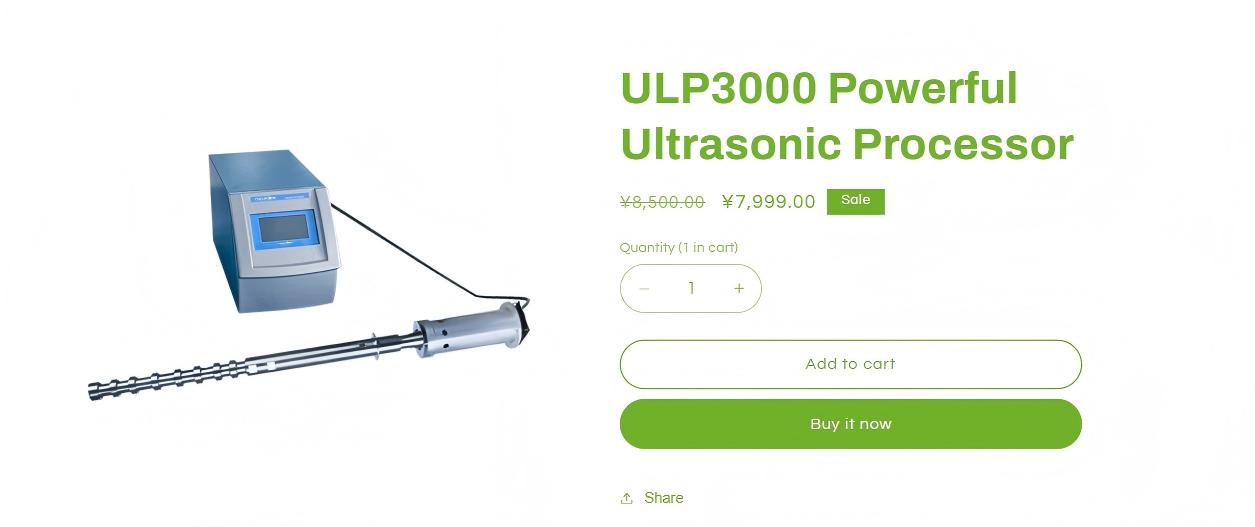
With the large-scale application of silicon carbon anodes, traditional binders are facing severe challenges in terms of “volume expansion tolerance”. The volume change of silicon materials during the charging and discharging process can reach up to 300%, and ordinary binders cannot withstand such severe deformation, which can easily lead to electrode structure collapse. Therefore, new adhesives represented by PAA (polyacrylic acid) have entered the stage of small-scale application, and their strong polar groups can form multi-point adsorption with silicon particles, alleviating the problem of volume expansion. At the same time, introducing ultrasonic dispersion technology in the preparation of silicon carbon slurry can promote uniform bonding between PAA and silicon particles, avoid local bonding failure, and further enhance the cycling stability of silicon carbon electrodes.
3. Solvent free process revolution
In traditional slurry coating processes, the energy consumption of solvent evaporation accounts for 51% of production costs, and the investment and operating costs of solvent recovery equipment are high. In this context, polytetrafluoroethylene (PTFE) based fiber-reinforced binders are leading the innovation of solvent-free manufacturing technology: by using extremely low content fiber-reinforced polymers as binders and combining them with simple mechanical forming steps, self-supporting electrode membranes can be prepared, completely eliminating solvent drying and recovery processes. This dry process not only reduces production energy consumption by more than 30%, but also increases the proportion and thickness of electrode active materials, indirectly promoting the improvement of battery energy density. Compared with traditional wet processes, it does not rely on slurry dispersion techniques such as ultrasonic dispersion, and provides a new path for simplifying production processes.