
Preparation Process and Quality Control of Photoresist Resin
In the field of microelectronics manufacturing, with the continuous advancement of semiconductor technology, the photolithography process—as one of the critical steps—places particular emphasis on the preparation process and quality control of its core material, photoresist resin. The performance of photoresist resin not only affects pattern fidelity and production efficiency but is also subject to the combined influence of raw material ratios, reaction environments, process parameters, and the subsequent physicochemical properties of the material.
Raw Material Selection and Formulation Design
The synthesis of photoresist resin requires a variety of raw materials, primarily including the resin matrix, solvents, photosensitive components, and crosslinking components. Regarding the choice of resin matrix, phenolic resins (e.g., Novolak-type resin, with a chemical formula representable as C₆H₅CH₂OH) and polyimide-based materials (e.g., PI resin, with a chemical structure of (C₆H₄)₂C(O)N(CO)C₆H₄) are common. The former is widely adopted due to its excellent photo-responsiveness and chemical resistance; the latter is often used in demanding photolithography processes owing to its outstanding high-temperature and corrosion resistance. Solvent selection affects the dissolution behavior and coating performance of the resin; commonly used solvents include ethanol (C₂H₅OH), acetone (CH₃COCH₃), and dimethyl sulfoxide (DMSO, C₂H₆SO). Photosensitive components are used to enhance the resin’s sensitivity to ultraviolet light; typical examples include styrenic compounds (e.g., styrene, C₈H₈) and certain nitrogen-containing structures (e.g., diphenylphosphinic acid, (C₆H₅)₂POOH). Crosslinking components improve the mechanical properties and thermal stability of the material by forming a crosslinked network structure; representative examples include diisocyanates (e.g., 1,6-hexamethylene diisocyanate, C₈H₁₂N₂O₂) and epoxy resins (e.g., bisphenol A epoxy resin, C₂₁H₂₅O₄).
By precisely adjusting the ratios of various raw materials, the performance of the photoresist resin can be effectively modulated. In a typical formulation, the ratio of resin matrix to photosensitive component is usually between 5:1 and 10:1, the crosslinking component generally accounts for 1%–5%, and the solvent typically comprises 40%–60% of the total formulation.

Preparation Process Flow
1. Types of Polymerization Reactions
Commonly employed polymerization methods include free-radical polymerization and gel polymerization.
Free-radical polymerization is widely used in photoresist resin synthesis due to its mild reaction conditions and broad monomer applicability. This reaction is typically initiated by initiators (such as sodium persulfate, AIBN, etc.) at 50–80°C, promoting monomer polymerization via a free-radical mechanism. Taking styrene (C₈H₈) as an example, in the presence of an initiation system, it can polymerize into polystyrene with relatively high molecular weight. The reaction time is generally controlled within 4–6 hours, and the resulting polymer molecular weight often ranges from 10,000 to 100,000, depending specifically on temperature, monomer feed, and initiator dosage.
Gel polymerization is mainly used to construct resin systems with three-dimensional network structures. In this process, a crosslinker (e.g., hexamethylene diisocyanate, C₈H₁₂N₂O₂) is introduced to react with active groups (such as hydroxyl groups) on the polymer chains under high-temperature conditions, forming a stable spatial network. The reaction temperature is typically 80–120°C, with a duration of about 6–8 hours. By adjusting the ratio of crosslinker to monomer (generally 100:1 to 100:3), the hardness and strength of the resin can be effectively tuned, thereby improving its solvent resistance and high-temperature stability.
2. Dissolution and Dilution Process
After synthesis, the resin must be dissolved using suitable solvents to achieve a viscosity and flowability appropriate for coating. Common solvents include ethanol, acetone, and dimethyl sulfoxide, which can effectively dissolve the resin matrix and impart good flow characteristics to the system. Taking acetone as an example, during dissolution, the mass ratio of solvent to resin is typically 1:1 to 2:1, ensuring that the solution is neither too thick to affect coating nor too dilute to cause uneven film thickness. The dissolution temperature is generally controlled at 30–50°C to balance dissolution efficiency and prevent thermal degradation. In some processes, the solvent evaporation rate also requires attention, as excessively rapid evaporation can cause local concentration fluctuations. If the system viscosity is too high, adjustments can be made by adding diluents (such as n-butanol, dichloromethane, etc.), with the target viscosity typically set at 200–500 cP.
3. Stability and Particle Control
To enhance the storage and service stability of the resin, stabilizers (such as antioxidants, UV stabilizers, etc.) are often introduced. For example, the antioxidant BHT (C₁₅H₂₂O) can effectively inhibit radical-induced degradation reactions, thereby extending the material’s lifespan. Additionally, particle size significantly affects lithographic resolution; the particle size is generally required to be controlled within 0.1–1 μm. To achieve the desired particle size distribution, high-shear stirring or ultrasonic dispersion can be employed. By adjusting stirring speed and time, particle agglomeration can be reduced; ultrasonic treatment, leveraging high-frequency vibration, can further refine particles and improve system homogeneity.
Key Process Parameters
1. Effects of Reaction Temperature, Time, and Stirring Conditions
Factors such as temperature, duration, and stirring intensity during the reaction significantly influence the degree of polymerization, molecular weight, and ultimate performance of the resin.
2. Influence of Different Process Conditions on Resin Performance
Process variables including reaction temperature, time, stirring intensity, and solvent concentration have important effects on the resin’s molecular weight, viscosity, photosensitivity, mechanical strength, thermal stability, and pattern resolution capability.
Quality Control of Photoresist Resin
Physical Performance Testing
1. Particle Size Distribution
The uniformity of particle size distribution in the resin directly affects the quality of the coated film layer, thereby interfering with light transmission and pattern precision during exposure. Laser particle size analyzers are commonly used for testing; ideally, photoresist resin particles should be concentrated in the range of 0.1–0.5 μm. Experiments show that when the particle size is between 0.15 and 0.4 μm, pattern fidelity and process stability are optimal. Particles that are too large (>0.5 μm) tend to cause uneven film layers; those too small (<0.1 μm) may increase system viscosity, adversely affecting coating performance.
2. Viscosity and Flowability
Appropriate viscosity facilitates stable control of film thickness during coating. High viscosity (e.g., >1200 cP) tends to cause uneven coating, while low viscosity may result in insufficient film thickness. In conventional processes, resin viscosity is generally controlled at 500–1000 cP, with around 900 cP being optimal. Viscosity measurements are often performed using rotational viscometers, and rheological curves at different shear rates are used to assess coating suitability. At the same time, good flowability contributes to uniform film formation and should be comprehensively regulated during processing.
3. Solubility and Dry Film Thickness
The complete dissolution time of the resin at room temperature generally should not exceed 30 minutes; if dissolution takes too long, it may indicate anomalies in the formulation or raw materials. Dry film thickness is another critical factor affecting pattern resolution; it is generally controlled at 0.5–2 μm, with around 1 μm being common in practice. Film thickness can be accurately measured using profilometers or similar equipment. Coating amount and curing time are the main means of adjusting dry film thickness; overly thin layers may cause blurred patterns, while overly thick layers can impair exposure imaging quality.
Chemical Performance Testing
1. Ultraviolet Absorption Performance
The resin should exhibit good absorption in the ultraviolet region (especially near 365 nm) to meet the requirements of conventional exposure light sources. UV-Vis spectrophotometers can be used to measure its absorbance in the 200–400 nm wavelength range; generally, an absorbance A ≥ 1.5 is required to ensure sufficient photochemical reactions during exposure. Studies indicate that when the resin’s absorbance at 365 nm reaches about 2.0, its photosensitivity and pattern resolution are optimal.
2. Performance Changes After Exposure
During exposure, photosensitive components in the resin undergo crosslinking or degradation reactions, thereby altering its solubility and mechanical properties. Experimental data show that after exposure, the crosslinking degree of the resin typically increases by 20%–40%, helping to maintain pattern stability during development. The crosslinking degree can be characterized by infrared spectroscopy. It should be noted that the exposure dose must be controlled within a reasonable range; excessive exposure may lead to over-crosslinking, making the film brittle and reducing pattern accuracy.
Conclusion
The preparation process and quality control of photoresist resin are at the core of ensuring semiconductor manufacturing yield. From raw material selection and formulation design to polymerization, dissolution/dilution, and particle regulation, every step requires rigorous optimization. Precise control of key parameters such as temperature, time, and stirring intensity can significantly improve resin uniformity and overall performance. Its physical properties (e.g., particle size, viscosity, film thickness) and chemical properties (e.g., UV absorption, post-exposure behavior) jointly determine the quality of lithographic patterns. As semiconductor technology continues to advance toward higher integration, ever-increasing demands are placed on photoresist resin performance. Future R&D efforts will focus on developing novel resin systems with higher resolution and stronger environmental adaptability to meet the challenges of increasingly complex manufacturing processes.
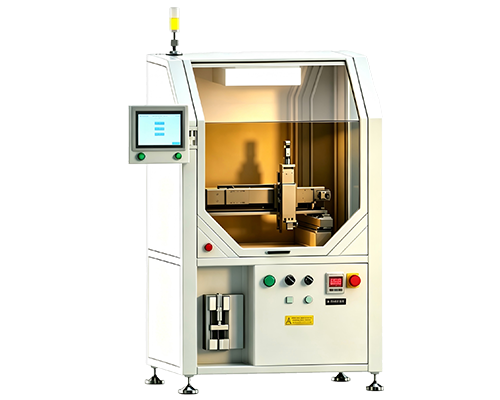
Direct spray photoresist coating onto MEMS wafers, silicon wafers, and other 3D microstructures has been performed for the past decade, with significant research regarding the advantages of Deep Topography Photoresist Deposition into deep well (high) topographies. Ultrasonic spray photoresist deposition is shown to have advantages over conventional spin coating in producing a more uniform coating, particularly along the top section of sidewalls in high aspect ratio trenches and V-groove structures. In these high aspect ratio features, centrifugal spin makes it difficult to achieve High Aspect Ratio Photoresist coverage along the sidewalls without excessive photoresist pooling at the bottom of cavities.
About Cheersonic
Cheersonic is the leading developer and manufacturer of ultrasonic coating systems for applying precise, thin film coatings to protect, strengthen or smooth surfaces on parts and components for the microelectronics/electronics, alternative energy, medical and industrial markets, including specialized glass applications in construction and automotive.
Our coating solutions are environmentally-friendly, efficient and highly reliable, and enable dramatic reductions in overspray, savings in raw material, water and energy usage and provide improved process repeatability, transfer efficiency, high uniformity and reduced emissions.
Chinese Website: Cheersonic Provides Professional Coating Solutions
