
Four Hydrogen Production Technologies Using Electrolysis of Water
Analysis of Four Hydrogen Production Technologies Using Electrolysis of Water: ALK, PEM, AEM, SOEC
The four mainstream hydrogen production technologies for electrolysis of water (alkaline electrolysis water/ALK, proton exchange membrane electrolysis water/PEM, anion exchange membrane electrolysis water/PEM, solid oxide electrolysis water/SOFC) have their own advantages and challenges in material system, performance characteristics, efficiency level, and cost composition. This article provides an in-depth analysis of its core differences and current development status.
Technical Explanation
1. Alkaline electrolyzed water (ALK)
- Characteristics: High technological maturity and relatively low investment cost. Use liquid alkaline electrolytes (such as KOH solution) and nickel based catalysts.
- Principle: Under the action of direct current, the cathode produces hydrogen gas, the anode produces oxygen gas, and the diaphragm separates the two poles.
- Challenge: Current density is limited, efficiency is affected by gas crossover, and it is difficult to adapt to high voltage/high fluctuation operation. Liquid electrolytes bring management complexity.
- Current situation: Widely used in large-scale fixed hydrogen production projects, with a mature industrial chain.
2. Proton exchange membrane electrolysis of water (PEM)
- Features: High efficiency, fast response speed, compact structure, adaptable to fluctuating power sources. Use solid-state acidic polymer membranes (such as perfluorosulfonic acid membranes) and precious metal catalysts (such as iridium, platinum).
- Principle: Water decomposes into oxygen and protons (H ⁺) at the anode, and protons migrate through the membrane to the cathode to generate hydrogen gas.
- Challenge: Relying on precious metal catalysts leads to high costs, and the durability of membranes and catalysts needs to be continuously improved. Innovation point: Ultrasonic spraying technology demonstrates advantages in preparing ultra-thin and highly uniform low loading precious metal catalyst layers, which helps reduce the amount of iridium/platinum used and improve electrode performance.
- Current situation: The penetration rate of renewable energy coupling scenarios at the vehicle specification level, distributed and requiring rapid response is increasing, and research and development is focusing on cost reduction (especially catalysts) and lifespan extension.
3. Solid oxide electrolysis of water (SOEC)
- Characteristics: The theoretical efficiency is the highest (thermodynamic potential decreases at high temperatures), and non precious metal catalysts can be used. Working at high temperatures (600-1000 ° C), using solid oxygen ion conductor electrolytes.
- Principle: High temperature promotes the decomposition of water molecules, water vapor is reduced at the cathode to produce hydrogen gas, and oxygen ions (O ² ⁻) migrate to the anode through the electrolyte to release oxygen.
- Challenge: High temperature has extremely high requirements for material durability and system thermal management, slow start-up, long-term stability, and large-scale manufacturing processes are bottlenecks.
- Current situation: Mainly in the demonstration and early commercialization stage, with the potential for efficient utilization of industrial waste heat or nuclear energy.
4. Anion exchange membrane electrolysis of water (AEM)
- Features: Intended to integrate the low cost of ALK (potentially using non precious metal catalysts) and the compactness of PEM (solid alkaline polymer membrane). Conducting hydroxide ions (OH ⁻) using solid-state alkaline polymer membranes.
- Principle: Water decomposes at the cathode to produce hydrogen gas and OH ⁻, which migrates through the membrane to the anode to produce oxygen and water.
- Challenge: The core materials (high conductivity, strong alkali resistance anion exchange membrane, and highly active non precious metal catalyst) still need to be breakthrough, and the long-term stability (especially resistance to CO ₂ influence) and system validation are insufficient.
- Current situation: In the stage of basic material research and prototype verification, it is considered a promising cost reduction path.
Summary and Outlook
* Current situation: ALK leads large-scale projects with maturity and cost advantages. PEM has shown significant growth in scenarios with high flexibility requirements, but cost reduction (especially for catalysts) is key. SOEC and AEM represent future potential directions, but material and engineering challenges need to be overcome.
*Key to cost reduction and efficiency improvement:
- ALK: Optimize diaphragm and electrode materials to improve current density and efficiency.
- PEM: Advanced processes such as ultrasonic spraying are crucial for achieving low load, high-performance catalyst layers, while developing low iridium/iridium free catalysts and long-life membrane electrodes.
- AEM: Breakthrough in high-performance membranes and non precious metal catalysts.
- SOEC: Improve material stability and thermal cycling resistance.
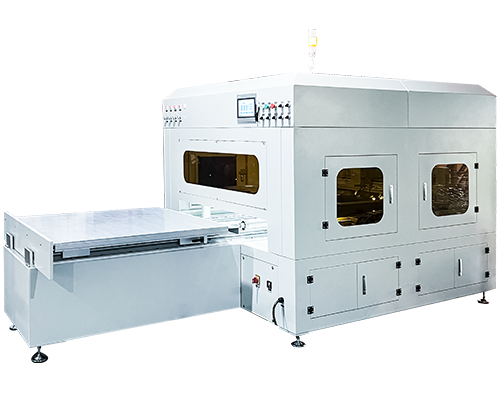
*Domestic development: The ALK industry chain is well-established and widely used. The supply chain in the PEM field is gradually being constructed, and the research and industrialization process is accelerating. The application of precision coating technologies such as ultrasonic spraying is expected to help improve the level of electrode manufacturing. The overall industrial environment continues to optimize.
About Cheersonic
Cheersonic is the leading developer and manufacturer of ultrasonic coating systems for applying precise, thin film coatings to protect, strengthen or smooth surfaces on parts and components for the microelectronics/electronics, alternative energy, medical and industrial markets, including specialized glass applications in construction and automotive.
Our coating solutions are environmentally-friendly, efficient and highly reliable, and enable dramatic reductions in overspray, savings in raw material, water and energy usage and provide improved process repeatability, transfer efficiency, high uniformity and reduced emissions.
Chinese Website: Cheersonic Provides Professional Coating Solutions