
A New Solution to Break Hydrogen Energy Supply Bottlenecks
Distributed Hydrogen Production: A New Solution to Break Hydrogen Energy Supply Bottlenecks
Against the global backdrop of energy transition and low-carbon transformation, the hydrogen energy industry has emerged as a core track of clean energy development. Nevertheless, the hydrogen refueling sector is still plagued by high hydrogen supply costs and unstable hydrogen supply, which have become key bottlenecks restricting the large-scale popularization of hydrogen fuel cell vehicles and hydrogen energy commercialization. This article deeply analyzes the innovative technical models ofdistributed hydrogen production, explores the synergistic development potential between distributed hydrogen production technology and hydrogen-based derivative conversion technology, and provides actionable insights for building a safe, efficient, and low-carbon global hydrogen energy supply network.
Key Pain Points of Traditional Hydrogen Supply & Breakthrough Solutions
Most current hydrogen refueling stations rely entirely on long-tube trailer hydrogen transportation, a traditional centralized hydrogen supply model that exposes prominent industry shortcomings. The core drawbacks include low transportation efficiency (single transportation capacity <400kg), low hydrogen unloading efficiency (only 70%-80%), and high long-distance transportation safety risks. These problems directly push up terminal hydrogen refueling costs and limit the stable operation of hydrogen energy stations.
As an innovative on-site hydrogen generation solution, station-based distributed hydrogen production realizes on-site hydrogen production and on-site refueling, completely cutting off high-cost and high-risk hydrogen storage and transportation links. It has become a core breakthrough path for optimizing the hydrogen energy industry chain and promoting industrial upgrading.

Four Mainstream Technical Routes of Distributed Hydrogen Production
1. Natural Gas Hydrogen Production
This technical route makes full use of mature urban natural gas pipeline network resources to realize efficient hydrogen conversion through miniaturized high-temperature reforming reactors (operating temperature: 850℃). The core technical competitiveness lies in the optimized design of high-efficiency catalytic systems and integrated compact equipment technology, which is suitable for urban central hydrogen refueling stations with stable natural gas supply.
2. Methanol Hydrogen Production
Leveraging the advantages of methanol as a bulk, easy-to-store and easy-to-transport liquid hydrogen raw material, this technology adopts a mature “reforming + catalytic oxidation” composite process with a low reaction temperature (≤250℃), achieving intrinsic safety and stable on-site hydrogen supply. The key technical breakthrough focuses on the research and development and iteration of high-activity, long-life dedicated catalysts, which greatly improves hydrogen production efficiency and equipment stability.
3. Ammonia Decomposition Hydrogen Production
As a typical zero-carbon green hydrogen production path with liquid ammonia as the hydrogen carrier, ammonia decomposition hydrogen production boasts ultra-low energy consumption, with only 1/3 of the energy consumption of traditional water electrolysis hydrogen production. The core technical barriers and research directions are the development of low-temperature high-efficiency ammonia decomposition catalysts and high-precision hydrogen-nitrogen separation technology, which supports large-scale low-carbon hydrogen supply scenarios.
4. Water Electrolysis Hydrogen Production
Driven by the rapid development of global green power (solar, wind power) industries, green water electrolysis hydrogen production has become the fastest-growing distributed hydrogen production technology, with continuous technological innovation in multiple segments:
– PEM Electrolysis (Proton Exchange Membrane): Featuring compact equipment, small footprint and strong environmental adaptability, it is perfectly suitable for off-grid and scattered distributed hydrogen production scenarios.
– Ultrasonic Spraying Technology: The innovative application of ultrasonic spraying precisely controls the thickness and uniformity of catalyst coatings such as Pt/C and IrO₂, increasing the electrode active area by more than 20% and effectively reducing the power consumption of electrolyzers.
– ALK Electrolysis (Alkaline Water Electrolysis): With mature technology and significant equipment cost advantages, it is the mainstream choice for large-scale distributed hydrogen production stations.
– SOEC & AEM Electrolysis: Solid oxide electrolysis (SOEC) and anion exchange membrane (AEM) electrolysis technologies are in the cutting-edge research and pilot stage, representing the future development direction of high-efficiency and low-cost water electrolysis hydrogen production.
Technical and Economic Prospect of Distributed Hydrogen Production
– Diversified Raw Material Adaptability: Hydrogen refueling stations can select low-carbon raw materials such as methanol, liquid ammonia and green power according to regional resource endowments, realizing customized and localized hydrogen production.
– Highly Integrated System: The skid-mounted integrated equipment design enables a daily hydrogen production capacity of 500-1000 square meters within a 80㎡ site, greatly reducing site construction and space costs.
– Positive Policy Support: A number of global pilot projects have fully verified the technical feasibility and operational stability of the integrated hydrogen production and refueling model, with continuous policy incentives driving industrial popularization.
– Continuous Cost Optimization: The upgrading of high-performance catalysts for water electrolysis hydrogen production can reduce comprehensive power consumption by 15%, effectively lowering the full-cycle operating cost of distributed hydrogen production.
Typical Application Scenarios of Distributed Hydrogen Production Technology
– Coastal Comprehensive Energy Hydrogen Stations: Realize the coupling of photovoltaic power generation and green water electrolysis hydrogen production, with a daily hydrogen supply capacity of 1100kg, realizing zero-carbon and sustainable hydrogen supply.
– Methanol Hydrogen Production Pilot Stations: Achieve ultra-low raw material consumption, with methanol consumption per cubic meter of hydrogen ≤0.67kg, realizing high-efficiency and low-cost commercial operation.
– Ammonia Decomposition Hydrogen Production Hubs: Adopt modular assembled equipment to achieve high-precision hydrogen-nitrogen separation, stably supplying qualified hydrogen for urban hydrogen fuel cell vehicle refueling scenarios.
Conclusion
Distributed hydrogen production effectively solves the core pain points of high cost, low efficiency and poor safety of traditional hydrogen transportation and supply. With the continuous maturity of multi-technical routes, system integration innovation and policy empowerment, it will become the core supporting path for the large-scale popularization of the global hydrogen energy industry, and build a more stable, low-carbon and efficient modern hydrogen energy supply system.
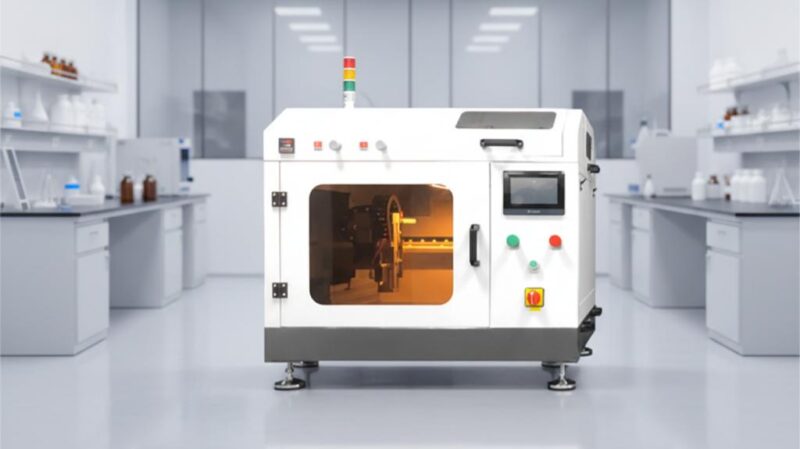
Ultrasonic Coating Technologies for Electrolyzers
Cheersonic ultrasonic spray platforms deliver high-quality catalyst coatings and thin film layers for advanced electrolyzer manufacturing. Our ultrasonic coating systems apply controlled coating solutions onto electrolyzer substrates including electrodes, proton exchange membranes, gas diffusion layers (GDL), and other MEA-related components. With precise nozzle control and programmable flow rate, ultrasonic spray enables repeatable catalyst deposition using a catalyst deposition machine designed for material science-driven electrochemical performance in both bench top development and high-volume PEM electrolyzer production.
About Cheersonic
Cheersonic is the leading developer and manufacturer of ultrasonic coating systems for applying precise, thin film coatings to protect, strengthen or smooth surfaces on parts and components for the microelectronics/electronics, alternative energy, medical and industrial markets, including specialized glass applications in construction and automotive.
Our coating solutions are environmentally-friendly, efficient and highly reliable, and enable dramatic reductions in overspray, savings in raw material, water and energy usage and provide improved process repeatability, transfer efficiency, high uniformity and reduced emissions.
Chinese Website: Cheersonic Provides Professional Coating Solutions
