
Membrane Filtration Separation Technology
Membrane filtration separation technology is a fluid separation method based on the principles of physical sieving and selective transfer. It achieves efficient separation of components in a mixture through membrane materials with specific pore sizes or functions, driven by pressure, concentration, or potential differences. This technology is widely used in fields such as sample pre clarification, particle removal, sterilization and filtration, covering environmental protection, medical, industrial and other scenarios.
Basic Principles
By utilizing the selective permeation properties of membranes, certain substances (such as water, small molecules) are allowed to pass through the membrane while other substances (such as particles, macromolecules, ions, etc.) are intercepted. The core separation mechanism includes:
Physical sieving effect (dominant mechanism): intercepting substances with larger pore sizes (microfiltration, ultrafiltration, nanofiltration, etc.) based on membrane pore size.
Chemical diffusion and adsorption (auxiliary mechanism): Based on differences in molecular polarity, charge, or affinity, specific substances are selectively adsorbed/repelled through the chemical properties of the membrane (such as removing Ca ² ⁺ from water).
Mass transfer driving force: External forces (such as pressure, concentration gradient, electric field) drive substances to pass through the membrane
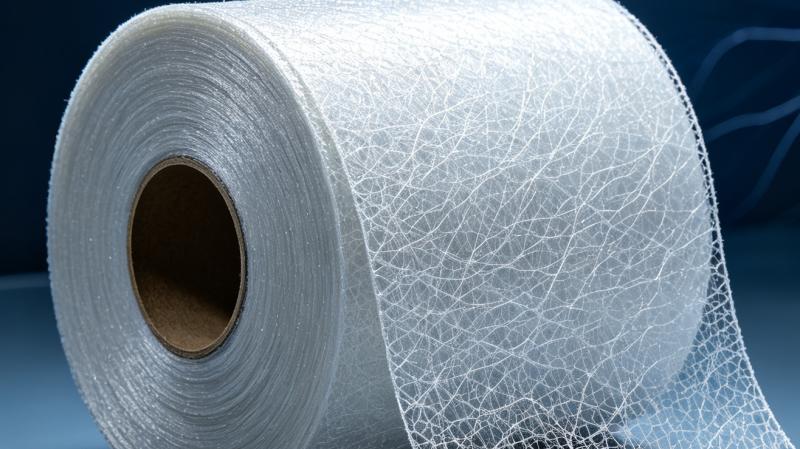
Introduction to common filter membranes
PES membrane (Polyethersulfone membrane)
Type: Hydrophilic water system
Features and Applications:
High flow velocity: Its symmetrical pore structure results in high flow velocity and extremely high water flux,;
Low adsorption: low protein binding capacity, suitable for filtering biological fluids such as blood, serum, and cell culture media;
Chemical resistance: resistant to organic solvents and acids, suitable for filtering corrosive chemicals;
Low extractable content: Low extractable content reduces filtrate contamination;
High temperature resistance: can withstand high temperatures of 130 ° C without degradation, suitable for filtration applications that require high-temperature sterilization;
Flow rate and lifespan have significant advantages, commonly used in medical sterilization, filtration, clarification, and drinking water purification.
PH compatibility: 2-14
PVDF membrane (polyvinylidene fluoride membrane)
Type: hydrophilic system, hydrophobic system
Features and Applications:
High mechanical strength, low protein adsorption, good heat resistance (-40 ℃ -150 ℃);
Good chemical compatibility, resistant to corrosive acids and alcohol, avoiding acetone DM、DMSO;
Essentially belonging to the hydrophobic system, used for gas/high-temperature liquid filtration;
After surface modification, it can be hydrophilic and used for sterilization and filtration of low concentration proteins, culture medium solutions, etc.
PH compatibility: hydrophilic (2-10), hydrophobic (2-12)
PTFE membrane (PolyTetraFluoroEthylene)
Type: Organic film
Characteristics and Applications:
High flux, high particle retention rate, high temperature resistance;
The strongest chemical compatibility, resistant to strong acids, alkalis, organic solvents, and oxidants, filters gases and organic solvents, including highly corrosive chemicals;
Hydrophobicity is widely used in air filtration and is suitable for organic solvent filtration in analytical chemistry HPLC, preventing particle clogging of chromatographic column packing and extending column life.
PH compatibility: 1-14
WwPTFE membrane (hydrophilic polytetrafluoroethylene membrane)
Type: Universal
Characteristics and Applications:
Hydrophilic modification, suitable for aqueous and corrosive organic solutions.
Low protein adsorption and low dissolution adsorption.
High mechanical strength, capable of withstanding high temperature liquids, filtering air and particulate impurities.
Compatible with all acidic and alkaline solutions, the best choice for rigorous laboratories.
PH compatibility: 1-14
Nylon film
Type: Water based, organic based universal membrane
Characteristics and Applications:
Resistant to alcohol, lipids, and salts, without the need for wetting agents (to avoid contamination).
Flexible, tear resistant, and durable, capable of high-temperature sterilization at 135 ℃
Acid and alkali resistant, especially suitable for filtering alkaline solutions.
Can be used for chemical reagents, as well as protein free aqueous and organic solutions
PH compatibility: 3-12
MCE membrane (Mixed Cellulose Ester)
Type: Water based membrane
Characteristics and Applications:
Good hydrophilicity, high filtration flux, high strength, good biological inertness, and stable chemical properties.
High porosity: With a high porosity, strong pollutant holding capacity, and long lifespan, it is suitable for filtering impurities in aqueous solutions.
PH compatibility: 4-8
PP film (Polypropylene)
Type: Hydrophobic
Characteristics and Applications:
High mechanical strength: excellent tensile strength and elongation at break, wear resistance, impact resistance, and high temperature resistance (121 ℃, 30min)
High flux: It can achieve high flow rate and high filtration efficiency under low pressure difference.
Strong hydrophobicity: excellent gas filtration, can be backwashed and reused, reducing usage costs.
Good chemical stability: resistant to corrosion from acid, alkali, salt, and various organic solvents, with a wide pH range.
High porosity: With a large porosity, it has strong pollutant holding capacity and a long service life.
PH compatibility: 1-14
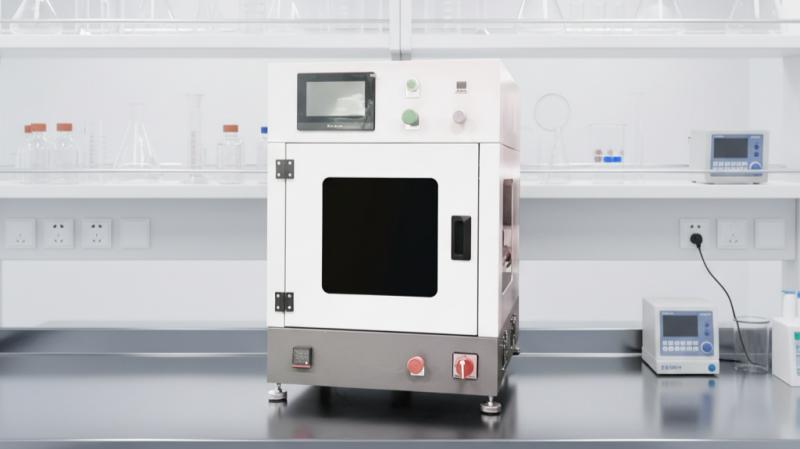
Ultrasonic spray filtration membrane
Ultrasonic spraying technology is a new refined process for preparing high-performance filter membranes, which can perfectly adapt to the modification and molding needs of various types of filter membranes mentioned above, effectively breaking through the technical bottleneck of traditional coating processes. This technology utilizes high-frequency ultrasonic vibration to atomize the membrane liquid into uniform and fine micrometer sized droplets. Through precise and controllable spraying, the functional membrane material is uniformly deposited on the substrate surface, ultimately forming a high-quality filtration membrane with uniform pore size, stable porosity, and thin and dense membrane layer. Compared with traditional coating and immersion coating processes, ultrasonic spraying has the core advantages of no droplet accumulation, no pinhole cracks, strong controllability of coating thickness, and high material utilization. It can accurately control the microstructure of the membrane layer, further enhancing the physical screening accuracy and selective permeability of the filtration membrane.
Ultrasonic spraying can customize spraying parameters based on material characteristics and application scenarios for different materials such as PES, PVDF, PTFE, Nylon, etc. Ultrasonic spraying can not only retain the excellent properties of various substrate membranes such as temperature resistance, acid and alkali resistance, and low adsorption, but also effectively optimize membrane surface flatness and pore uniformity, greatly improving membrane filtration flux, particle retention efficiency, and service life. At present, modified filtration membranes prepared by ultrasonic spraying have been widely adapted to high-end scenarios such as medical sterilization, precision chemical filtration, environmental water treatment, and laboratory precision separation. They have solved the pain points of uneven pore size, easy pollution, and insufficient separation accuracy of traditional filtration membranes, and have comprehensively upgraded the efficiency, stability, and applicability of membrane filtration separation technology, becoming one of the core preparation processes in the field of high-precision fluid separation.
About Cheersonic
Cheersonic is the leading developer and manufacturer of ultrasonic coating systems for applying precise, thin film coatings to protect, strengthen or smooth surfaces on parts and components for the microelectronics/electronics, alternative energy, medical and industrial markets, including specialized glass applications in construction and automotive.
Our coating solutions are environmentally-friendly, efficient and highly reliable, and enable dramatic reductions in overspray, savings in raw material, water and energy usage and provide improved process repeatability, transfer efficiency, high uniformity and reduced emissions.
If you have any technical questions, customization demands, or procurement inquiries about ultrasonic atomization nozzles, feel free to contact our professional sales and technical team for detailed parameters, customized solutions, and industry application support.
Email: market2@cheersonic.com